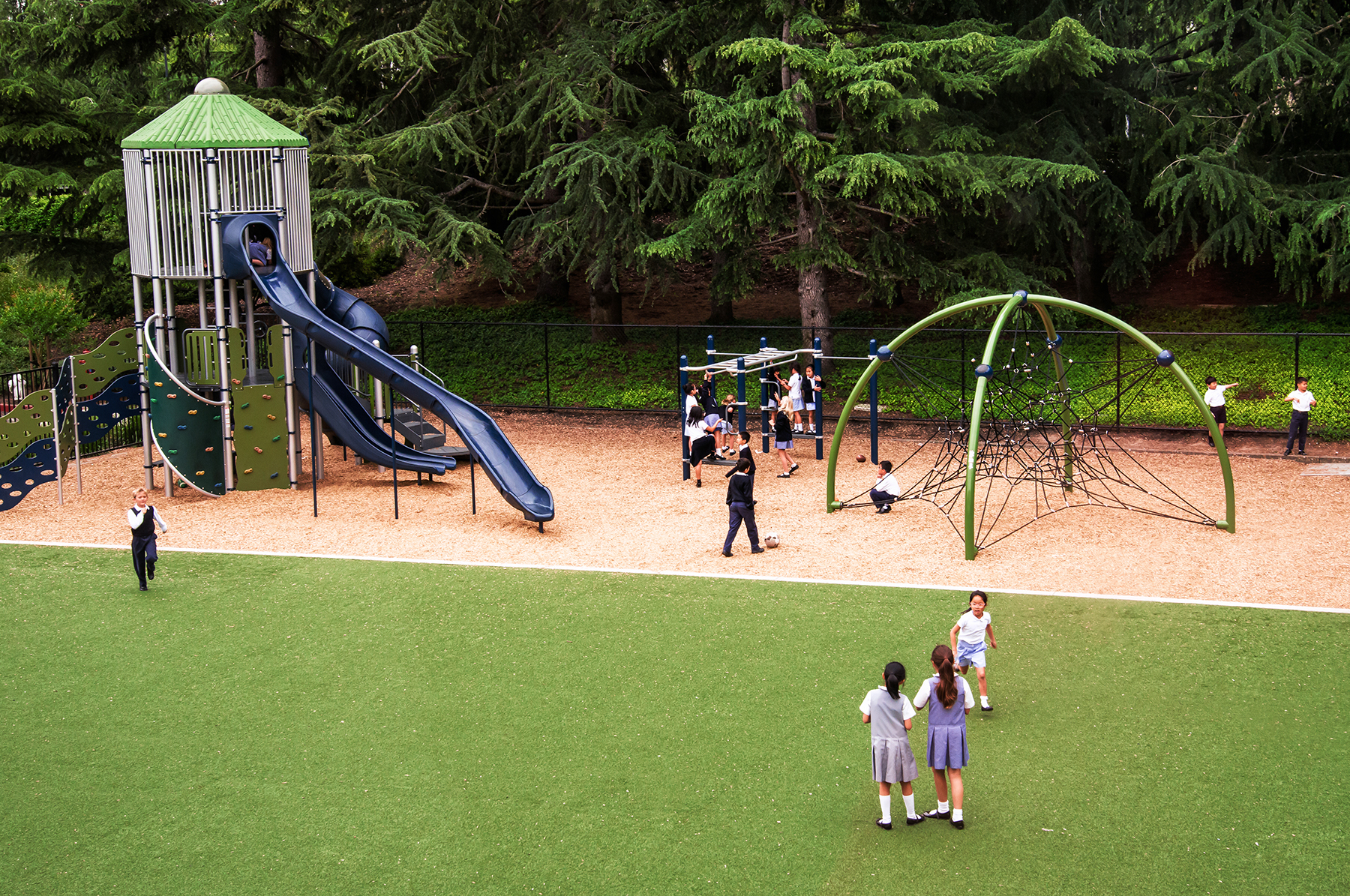
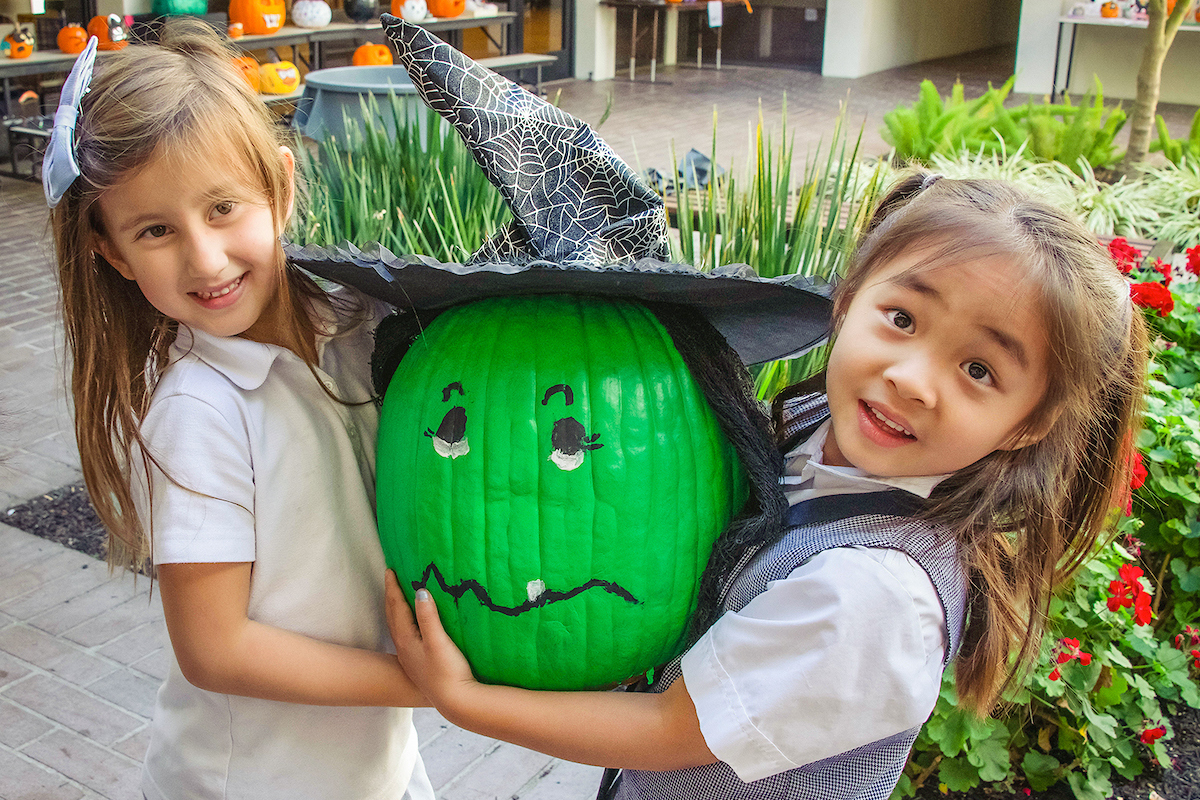
An exceptional curriculum coupled with highly-skilled educators.
Fostering academic curiosity through collaborative, engaged learning
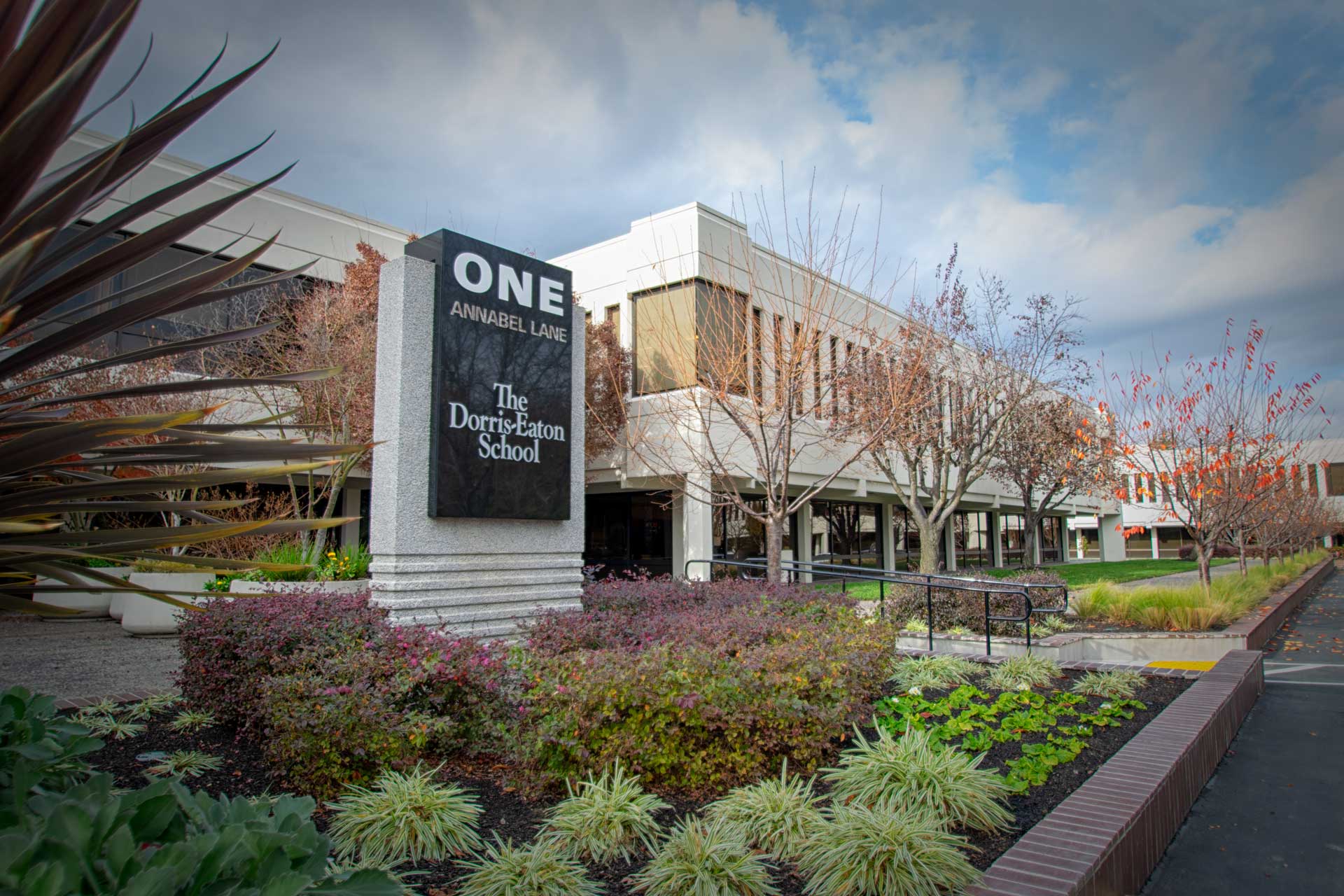
Until you have a chance to visit our campus, here are a few highlights.
325
Preschool-8 Enrollment.
12:1
Average Student to Teacher Ratio.
18 Students
Average Class Size (K–8).
11 Years
Average Tenure of Our Educators.
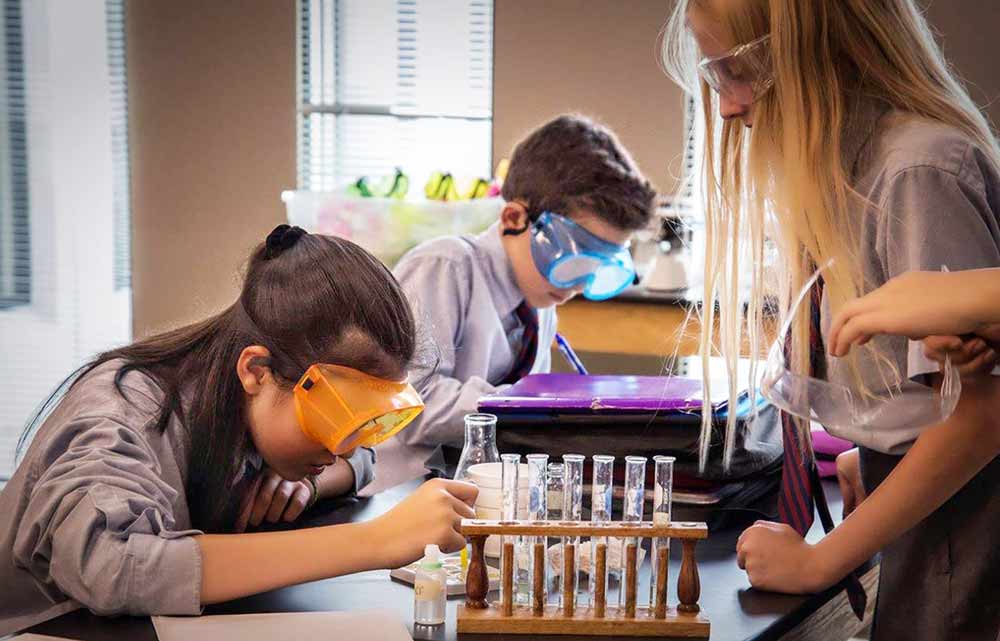
3 Science Labs
Allowing for engaging experimentation.
Computer Lab
From learning to code Python to exploring art through math.
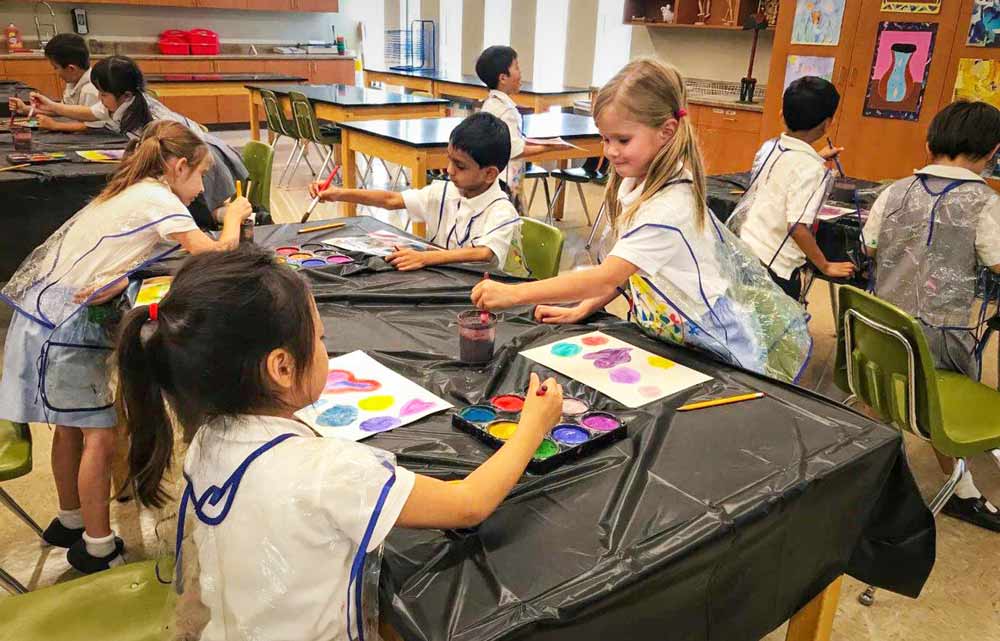
Art Studio
A creativity-fostering space.
Music Studio
Songs to sing, instruments to play. A place to create, perform, and enjoy.
Beginning your school search?
Visit The Dorris-Eaton School.
See the campus, meet our teachers, and observe classroom interaction.
Our K-5 Approach
Our K-5 elementary approach and stimulating curriculum sparks enthusiasm for learning.
With matchless style, Dorris-Eaton embraces what is best in traditional education and augments it with carefully selected and proven innovations. In addition to the core subjects, students enjoy classes in Spanish, studio art, music, computer applications, and physical education. The curriculum is specifically designed to provide students with a solid foundation and to help them develop a passion for learning.